How to Calm Down Fast: 8 Exercises Under 5 Minutes
By Florian Lindner · Last updated: 4 October 2026
You don’t need an hour of yoga to settle. If you’re wondering how to calm down fast, exercises of under five minutes are often enough to calm your nervous system, and you can do them anywhere. They work through your body: a longer exhale activates your rest nerve. Eight exercises, from the physiological sigh to 4-6 breathing and progressive muscle relaxation, give you one for each situation. A body anchor can make them work better.
Why short techniques help you calm down fast, if you use them right
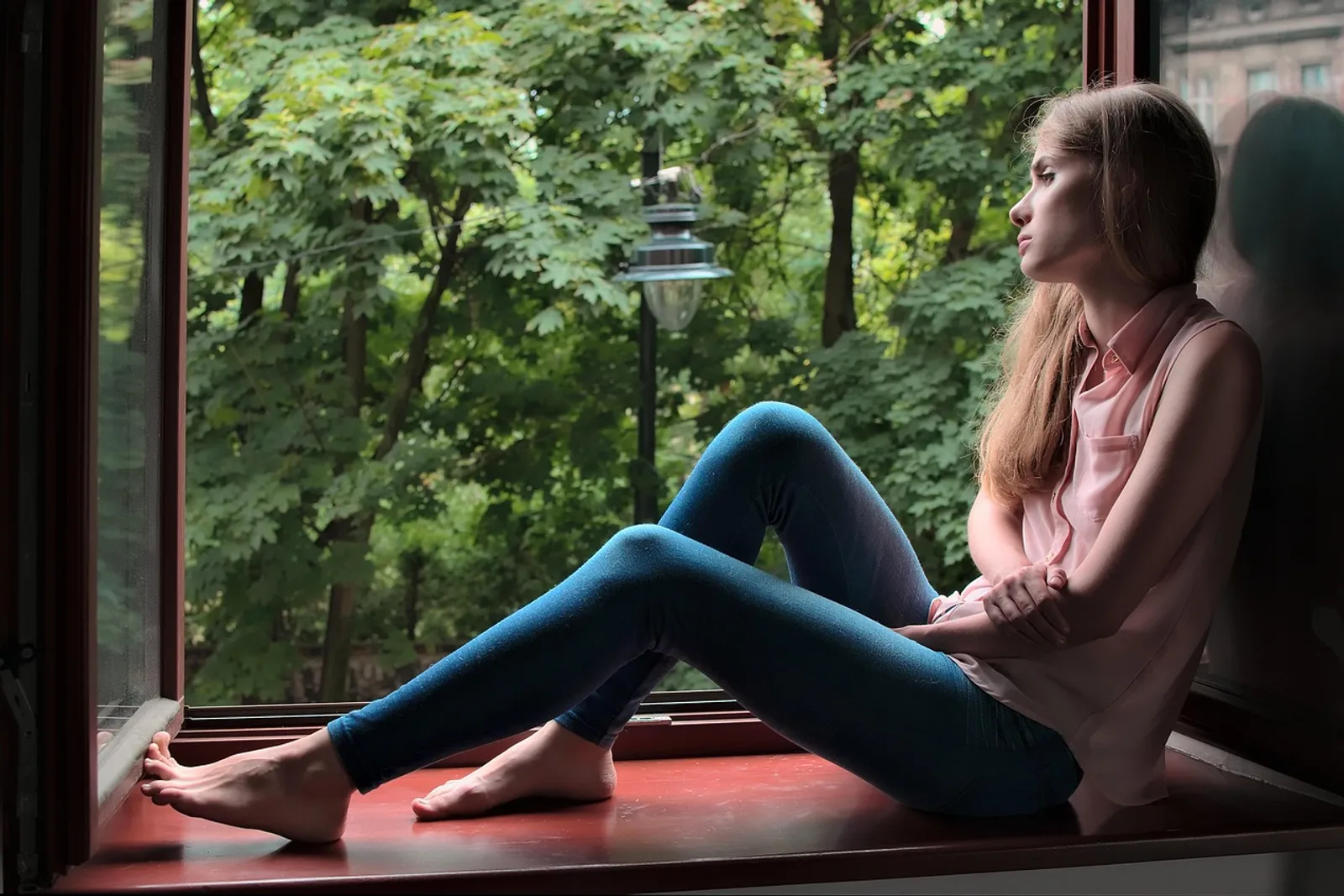
Short relaxation techniques work because your nervous system doesn’t need a long warm-up. A few deliberate breaths can be enough to start bringing you out of alarm mode. What matters isn’t how long you practice. What matters is pulling the right lever.
Maybe you know the feeling. Stiff neck, shallow breath, a head full of noise. You don’t have half an hour to meditate. You have two minutes between meetings. That is exactly what these exercises are for. They’re one part of how you reduce stress for the long term. They won’t solve everything, but they’re the fastest place to start.
To make them work, you need to know why they work. Otherwise you’ll do them half-heartedly and wonder why nothing happens.
Your nervous system has two gears
Your autonomic nervous system has two basic states. The sympathetic system is your accelerator, built for fight or flight. The parasympathetic system is your brake, built for rest and recovery. Under stress, your foot stays on the accelerator: faster heartbeat, shallower breathing, tense muscles.
The catch is that you can’t flip this switch by willpower. You can’t order yourself to be calm. But there is an indirect route, and it runs through your breath. You can read more about what stress does to you physically in our guide to the physical signs your body is stressed.
The exhale is your direct line to the brake
Here’s the most important point: breathing in speeds up your heart rate, and breathing out slows it down. This happens automatically, with every breath. The technical term is respiratory sinus arrhythmia. It sounds complicated, but the idea is simple. Everyone has this rhythm, every minute of their life. You just don’t usually use it on purpose. When you deliberately lengthen your exhale, you strengthen the braking signal to your heart.
That’s why short techniques can calm your nervous system so quickly. You don’t need a trance or silence. You only need a few long exhales. Your body often responds faster than you expect.
Short is a strength, not a compromise
Many people assume more is better. With acute stress, it isn’t. You’ll actually do a technique that takes five minutes, whether it’s at your desk, on the train or in the bathroom. A technique that takes half an hour gets pushed to “later”, and later never comes.
Short means available. And available means you use it at the moment you feel tense, not in the evening on a yoga mat when the stress is long gone. If you want to break the pattern of inner restlessness, you need tools for the moment itself, not just for after work.
What the research shows
The evidence is surprisingly clear. A few minutes of targeted breathing measurably change how tense you are. That isn’t wishful thinking. It’s physiology.
The key study comes from Stanford. Balban and colleagues (2023) split about 110 people into four groups. For a month, each group practiced for five minutes a day: either one of three breathing techniques or mindfulness meditation. Every group became calmer, but one technique stood out. Cyclic sighing, which emphasizes a long exhale, lowered breathing rate the most and lifted mood the most. Put simply, it did more for mood than mindfulness meditation.
The same study has an honest limitation. Even cyclic sighing had no significant effect on heart rate variability, a marker of how well you recover, over those four weeks. Short exercises change how you feel in the moment. They don’t replace longer-term work on how you handle stress.
Zaccaro and colleagues (2018) provide the bigger picture. They reviewed research on slow breathing at fewer than ten breaths per minute. They found that slow breathing increases parasympathetic activity and goes along with more calm, more alertness and fewer signs of anxiety, anger and confusion. A later meta-analysis by Laborde and colleagues (2022) confirmed that deliberately slowing your breathing increases vagally mediated heart rate variability.
If you want to know more about how we choose and assess studies, see our page on the science behind our approach.
How to calm down fast: 8 exercises under 5 minutes, step by step
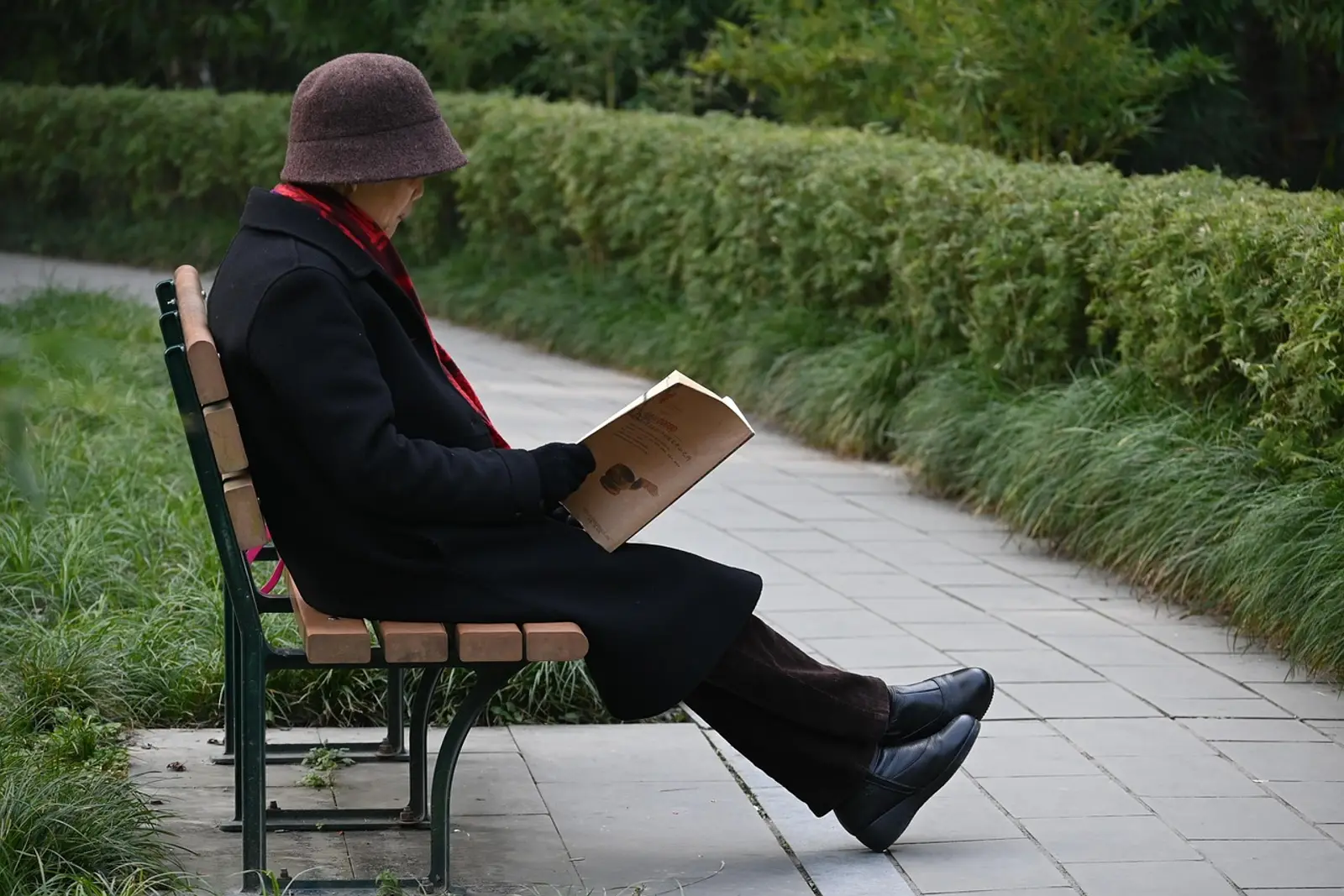
Here are the eight techniques with step-by-step instructions. Read through them once, then try two or three. Keep the ones that feel right for you the fastest.
-
The physiological sigh. Breathe in through your nose. At the top, add a short second inhale to fill your lungs completely. Then breathe out slowly and fully through your mouth. Repeat two or three times. This physiological sigh breathing technique is the quickest emergency brake for acute tension.
-
4-6 breathing. Breathe in through your nose for four seconds and out through your mouth for six. The exhale is longer than the inhale, and that is the whole trick. Keep going for one to two minutes. Ideal when you want to wind down without anyone noticing.
-
Box breathing. Four seconds in, hold for four, four seconds out, hold for four. Like the four sides of a square. The even structure gives your mind something to hold on to, which helps when your thoughts are racing.
-
Quick progressive muscle relaxation. Tense one muscle group firmly for five seconds, for example both fists. Then let go all at once and notice the relaxation for ten seconds. Work your way up: fists, shoulders, face. Tensing first makes letting go easier to feel. A systematic review of progressive muscle relaxation by Muhammad Khir and colleagues (2024) suggests that regular practice goes along with less perceived stress and less tension.
-
The 5-4-3-2-1 anchor. Name five things you can see, four you can hear, three you can feel, two you can smell and one you can taste. This moves your attention out of your head and back into your body. It’s a strong option when your thoughts keep going round in circles.
-
Cold wrists. Hold the insides of your wrists under cold water, or press a cool bottle against them. The cold can draw your attention away from your thoughts and back to your body, and many people find it noticeably calming. You can do it in almost any bathroom.
-
Shoulder lift and drop. As you breathe in, pull your shoulders up toward your ears. Then let them drop with a long exhale. Do this three times. It releases the tension that builds up in your neck under stress.
-
The 30-second body scan. Move your attention once from your feet to your head. Where does it feel tight? Breathe into that spot and let it soften as you exhale. It’s short, but surprisingly effective before sleep.
Don’t try to master all eight. Pick two that fit your daily life. In the end, how you turn them into a habit matters more than which technique you choose.
Which technique fits which situation: at work, on the go and at home
The best technique is the one that fits your situation. Not every exercise works everywhere. Here’s what to use in the four moments when you’re most likely to need one.
At your desk. You’re sitting, the screen is glaring, and tension is creeping into your shoulders. Here, 4-6 breathing and quick progressive muscle relaxation with your fists work best. You can do both sitting down. Two minutes between emails is enough. If your mind won’t settle at the same time, our guide to stopping overthinking can help.
On the train. Crowds, noise, no privacy. This is perfect for the 5-4-3-2-1 anchor, because it all happens in your head. Or try box breathing, quietly through your nose. Nobody will see a thing. The sensory overload gets quieter because you’re steering your attention on purpose.
Between meetings. Five minutes between appointments, and your brain is still running hot. Now the physiological sigh is your tool, combined with cold water on your wrists at the sink. The cold and the long exhale together can noticeably reset you before the next block starts. If you often feel overwhelmed, it helps to have a few more on-the-spot strategies for those moments too.
A hypothetical example: picture a team lead who gets nervous before presentations. Instead of preparing even more, she could take three physiological sighs right before standing up. The goal isn’t total calm. It’s coming down a notch or two, enough to speak clearly. If pressure at work is what hits you hardest, that’s often what makes the difference.
With kids. There’s no stepping away and no good timing: the child is screaming now. What counts here is what you can do standing up, with half your attention. Lift and drop your shoulders, or do a quick body scan. Both work while you stay present. Honestly, it won’t get perfectly calm. But it can be enough to keep you from blowing up yourself, and right then, that’s the goal.
Take two, at most three, techniques from this for your typical situations. Everything else is a bonus.
Make it stronger: how a body anchor stores calm on demand
A body anchor can make the techniques work better because it links relaxation to a fixed signal. Instead of searching for the right technique every time, one small gesture that never changes can bring back the calm state you practiced earlier.
Here’s how it works. Choose a small, distinct movement, for example pressing your thumb and index finger firmly together. Make this gesture whenever an exercise has already made you calm, not before. The idea comes from NLP and builds on the principle of conditioning: with enough repetition, the gesture can become a signal for that state.
The advantage when it matters: you don’t always have two minutes for the full exercise. But the anchor gesture takes two seconds. It doesn’t replace the practice. It calls up what the practice built. To learn how to set anchors like this on purpose, see our method page on how to do self-hypnosis.
An honest caveat: an anchor won’t form after one try. It needs repetition, ideally daily for a few weeks. But that’s exactly where its strength lies. Pair the gesture with calm often enough and, over time, that calm can become easier to reach, even when your head is too full to think about technique.
The 3 most common mistakes
Most people don’t struggle because of the technique itself. They make one of three avoidable mistakes. Know them, and you can save yourself weeks of frustration.
Mistake one: you breathe too deep instead of too slow. “Take a deep breath” is often misread as “gulp in lots of air”. If you take big, hurried breaths, you’re more likely to drift toward hyperventilating and end up more nervous, not calmer. The point isn’t volume. It’s pace. A long, slow exhale beats a big, fast inhale.
Mistake two: you only practice in an emergency. Many people pull out the technique only once stress has already peaked, then wonder why it barely helps. When you’re overloaded, it’s hard to reach for something new. Practice while you’re calm, a few minutes every day. Then the technique is there when you really need it.
Mistake three: you expect the wrong effect. Short exercises won’t give you deep serenity. They bring you down two or three notches, from the red zone into the yellow. If you expect the stillness of meditation, you’ll be disappointed and quit. The realistic gain is smaller but still valuable: able to act instead of overwhelmed.
From tool to pattern: your next step
Start small. Choose just one technique today and use it the next time you feel tension rising. That’s all you need to begin.
You might notice something along the way. The exercise helps in the moment, but the tension keeps coming back in the same places. That isn’t the technique’s fault. The pattern that switches you into alarm mode runs deeper than anything you know about breathing. Knowledge alone doesn’t reach it. That’s where hypnosis can help.
If you’d like to find out what that feels like, start with a free hypnosis for more calm in stressful moments. You choose a ready-made hypnosis on a topic that matters to you, such as staying calmer under stress. It costs nothing. If you want to go deeper after that, you can book a free 45-minute 1:1 analysis session with one of our top coaches, where we look closely at all 11 areas of your life and use what we learn to build a program designed only for you. Hypnosis is a form of self-help and does not replace therapy or medical advice.
Try it yourself
Knowledge alone rarely changes anything. Listen to how your topic can feel different.
FAQ: how to calm down fast
How to calm down fast: does it really work in under five minutes?
Often, yes. A longer exhale slows your heart rate a little with every breath, and many people notice the shift after just a few rounds. There is also evidence for regular practice. In the Stanford study by Balban and colleagues (2023), five minutes of cyclic sighing a day for four weeks improved mood and lowered breathing rate. It works in a simple way: the long exhale activates your rest nerve, the vagus nerve.
How to calm down fast when anxious: which technique works best?
For acute tension, the physiological sigh breathing technique is the fastest option. Breathe in twice through your nose, with the second inhale as a short top-up, then breathe out slowly through your mouth. Two or three rounds are often enough. Balban and colleagues (2023) studied a related form, five minutes of cyclic sighing. In their study it improved mood more than mindfulness meditation did.
How can I calm down at work, in a meeting, without anyone noticing?
Nobody can see you doing several of these techniques. Under the table, simply lengthen your exhale: four seconds in, six seconds out. Or clench your fists briefly and then consciously let go. Both work sitting down, and nobody will notice. That is the advantage of short techniques: they fit into any pause, even in the middle of a conversation.
How often should I practice quick relaxation techniques for stress?
For the immediate effect, one round when you feel tense is enough. For a long-term effect, daily practice pays off. In the Stanford study by Balban and colleagues (2023), the effect grew over 28 days of daily practice. As a rule of thumb, schedule five minutes once a day and add more whenever you need it. That way the technique becomes a habit you can use automatically when it counts.
Can relaxation exercises replace therapy for intense inner restlessness?
No. Short exercises can calm your nervous system in the moment, but they do not treat an anxiety disorder or depression. If your restlessness is constant, keeps you awake at night or makes everyday life hard to manage, talk to a professional. These techniques are a tool for everyday life, not a substitute for therapy. Ask your doctor or therapist whether the exercises could support your treatment.
Sources
- Balban et al. (2023): Brief structured respiration practices enhance mood and reduce physiological arousal. Cell Reports Medicine
- Zaccaro et al. (2018): How Breath-Control Can Change Your Life: A Systematic Review on Psycho-Physiological Correlates of Slow Breathing. Frontiers in Human Neuroscience
- Laborde et al. (2022): Effects of voluntary slow breathing on heart rate and heart rate variability: A systematic review and meta-analysis. Neuroscience & Biobehavioral Reviews
- Muhammad Khir et al. (2024): Efficacy of Progressive Muscle Relaxation in Adults for Stress, Anxiety, and Depression: A Systematic Review. Psychology Research and Behavior Management
Go deeper: Stress relief
Where it shows up in life

Free · ready to listen · no credit card
Your free hypnosis
Pick a ready-made hypnosis on your topic. Free, no credit card.
or book a free 1:1 analysis call right away